



Signs & Symptoms
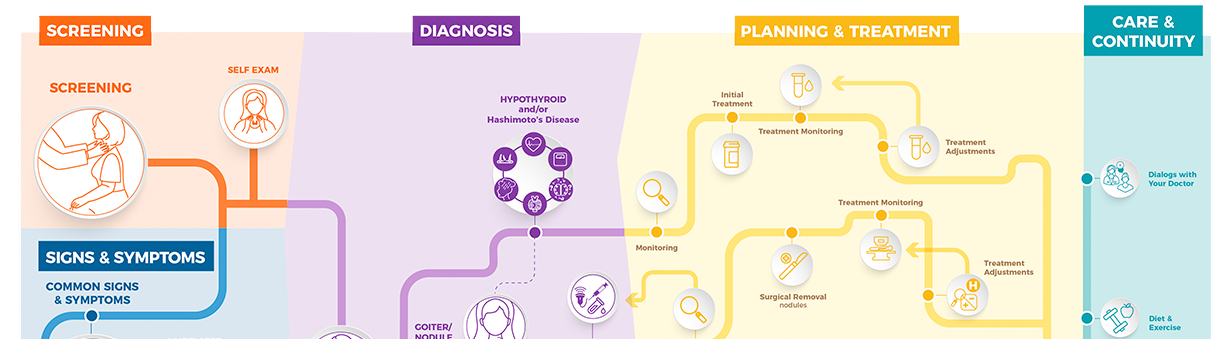
Screening
Screening
Your thyroid plays a role in many of your body's functions, including metabolism, blood circulation, sleep, mood, temperature regulation, and reproduction. If your thyroid isn't working correctly, your health and well-being may suffer.
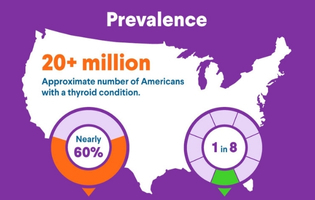
Thyroid disease affects as many as 20 million Americans, and more than half remain undiagnosed because symptoms are often similar to other medical conditions. Only 50% of women under 45 years of age with hypothyroidism are treated and these rates are even lower among men. If you're experiencing any of the common signs and symptoms of thyroid disease, speak with your health care professional about screening your thyroid while checking for other medical conditions.
During your medical appointment, your health care professional or endocrinologist may perform several screening tests to evaluate your thyroid health, including:
Assessment: Asking you about factors that could raise your risk of thyroid disease, such as your personal and family medical history.
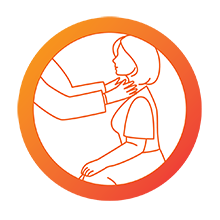
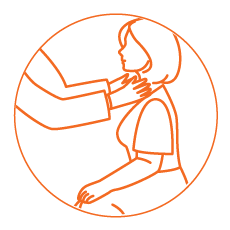
A physical exam: Feeling your neck to check for lumps, nodules, and thyroid enlargement.
Symptom check: Asking you if you are experiencing symptoms of thyroid disease. Thyroid disease can cause a wide range of symptoms, including:
- Fatigue or trouble sleeping
- Unexplained weight changes
- Fast or irregular heartbeat
- Irritability, depression, or anxiety
- Pain or weakness in joints or muscles
- Changes in memory or concentration
- Menstrual changes
Blood tests: Your health care professional may order tests to look for irregular levels of:
- TSH, a hormone that stimulates thyroid function
- Thyroxine (T4), a hormone produced by your thyroid
- Triiodothyronine (T3), another hormone produced by your thyroid
- Thyroid antibodies made by your immune system, which may attack your thyroid
The first step is to recognize your symptoms could be related to thyroid dysfunction and get screened. If screening uncovers any concerns, your health care professional may order additional diagnostic tests, such as imaging, to learn more about your thyroid health. It may take some time to find the right treatment option for you, but the first step is to get screened to determine your thyroid condition. Remember, although thyroid disease is often a lifelong condition, it can be managed.

Self Exam
As many as 60% of the 20 million Americans with thyroid disease don’t know they have it. You can perform a simple neck check self-exam to look for lumps or enlargements in your neck that may point to a thyroid condition. Learn the six steps to perform this quick self-exam at home by clicking here. Many thyroid conditions, including some thyroid nodules, may not be visible or detectable through self-exam. For accurate diagnosis, see your health care professional for proper screening if you suspect a thyroid condition.




 DOWNLOAD